
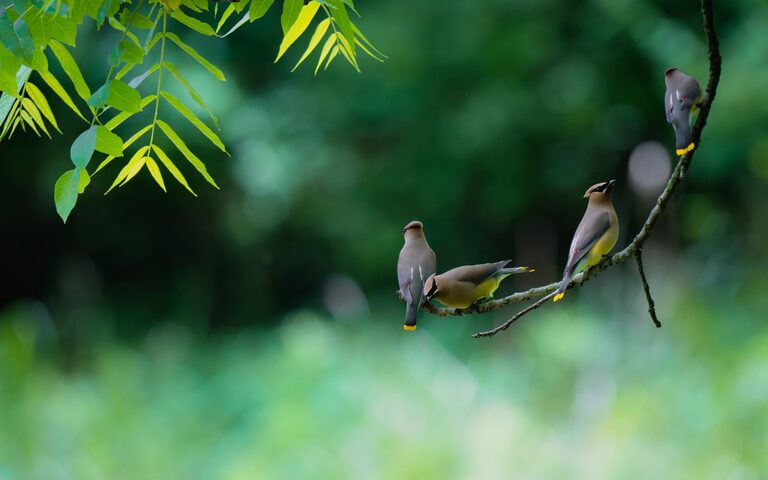
Birdwatching is a wonderful hobby that connects you with nature and brings a sense of calm and curiosity to your daily routine. The best part? You don’t have to travel far or invest in expensive gear to get started. Your own backyard can become a welcoming space for birds and a perfect spot for observation. If you’re new to birdwatching, this guide offers helpful tips to help you enjoy this peaceful pastime.
Why Backyard Birdwatching?
Birdwatching in your backyard is convenient and rewarding. It allows you to observe a variety of bird species in a natural setting, often right from your window or porch. Watching birds can reduce stress, increase mindfulness, and foster a deeper appreciation for wildlife.
Getting Started: Essential Tools and Supplies
You don’t need much to begin birdwatching, but a few items can enhance your experience:
– Binoculars: A modest pair of binoculars will help you see birds up close and notice details like plumage colors and behaviors.
– Field Guide or Bird App: A bird identification book or smartphone app helps you recognize species and learn more about them.
– Notebook or Journal: Recording your sightings and notes can be fun and useful for tracking patterns over time.
– Bird Feeder or Birdbath: Offering food or water encourages birds to visit your yard more frequently.
Creating a Bird-Friendly Backyard
Making your yard appealing to birds can improve your chances of seeing different species. Here are simple ways to do that:
Provide Food Sources
Different birds prefer different foods. Consider having a variety of feeders with:
– Seeds: Black oil sunflower seeds attract many species.
– Suet: Great for woodpeckers and insect-eaters.
– Nectar: Attracts hummingbirds and orioles.
– Fruit: Provide slices of apple, orange, or berries for fruit-loving birds.
Supply Fresh Water
Birds need water for drinking and bathing. A shallow birdbath or a small fountain with clean, fresh water is ideal. Remember to clean it regularly to prevent algae and mosquito larvae.
Offer Shelter and Nesting Spots
Birds seek safe places to rest and raise their young. Plant native trees and shrubs that provide shelter. You can also install birdhouses suitable for species common in your area.
Observing Birds: Tips for Success
Patience and quiet are key when watching birds. Here’s how to make the most of your observation time:
– Choose a Good Spot: A comfortable chair near feeders or a window with a clear view is perfect.
– Minimize Movement: Sudden moves can scare birds away.
– Observe Often: Birds may visit at different times, so check the yard regularly, especially early mornings or late afternoons.
– Note Behaviors: Pay attention to feeding habits, flight patterns, and calls to enhance your bird knowledge.
Learning and Enjoying the Experience
Birdwatching is not just about spotting birds; it’s about connecting with nature and learning continuously.
– Join Local Birdwatching Groups: Many communities have clubs or online forums that offer advice and organize walks.
– Attend Workshops or Events: Educational programs can improve identification skills.
– Use Technology: Apps can help identify birds by photos or sounds.
– Share Your Sightings: Posting photos or notes online can connect you with other bird enthusiasts.
Safety and Ethical Considerations
While encouraging birds to visit your yard, keep their safety in mind:
– Avoid using pesticides or chemicals that can harm birds.
– Place feeders and baths where cats or predators cannot easily reach them.
– Do not disturb nests or young birds.
– Keep feeders clean to prevent disease.
Conclusion
Backyard birdwatching is an enjoyable and accessible way to connect with wildlife. By creating a welcoming environment, using simple tools, and observing patiently, you’ll soon find yourself spotting and appreciating a variety of beautiful birds. Whether you’re interested in identifying species or simply enjoying their presence, birdwatching offers endless rewards just outside your door. Happy birding!