
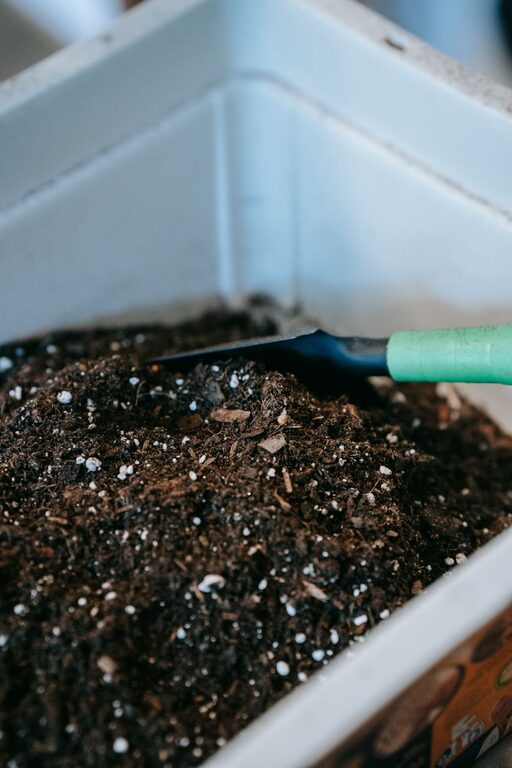
Composting at home is a rewarding and environmentally friendly way to reduce waste while enriching your garden soil. If you’re new to composting, the process might seem a bit daunting at first. However, with a few simple steps and some basic knowledge, anyone can start composting successfully. This guide will walk you through beginner-friendly tips to get you started on your composting journey.
What Is Composting?
Composting is the natural process of recycling organic matter, such as food scraps and yard waste, into a nutrient-rich material called compost. This compost can then be added to soil to improve its quality, helping plants grow healthier and stronger.
Why Compost at Home?
– Reduce Waste: Composting diverts organic waste from landfills, reducing methane emissions.
– Enrich Soil: Compost adds valuable nutrients, improving soil structure and fertility.
– Save Money: Healthy soil means fewer fertilizers and better plant growth.
– Help the Environment: Composting supports sustainable gardening and reduces pollution.
Getting Started: What You’ll Need
Before jumping in, you’ll need some basic materials and space to set up your compost.
Choose a Compost Bin or Pile
– Compost Bin: Great for small spaces or yards. Available in various sizes and styles (plastic or wood).
– Compost Pile: If you have a larger yard, simply create a pile in a corner.
Pick a Location
Select a spot that is:
– Well-drained and not too wet
– Convenient but out of direct sight
– Near a water source for moisture
What Can You Compost?
Knowing what to add to your compost pile is key to success. Compost materials are generally divided into two categories:
Greens (Nitrogen-Rich Materials)
– Fruit and vegetable scraps
– Coffee grounds and tea bags
– Fresh grass clippings
– Plant trimmings
Browns (Carbon-Rich Materials)
– Dry leaves
– Straw or hay
– Shredded newspaper or cardboard
– Wood chips or sawdust (untreated)
Avoid Adding
– Meat, dairy, or oily foods (attract pests)
– Diseased plants or weeds with seeds
– Pet waste
– Treated wood or synthetic materials
How to Compost: Step-by-Step
1. Layer Your Materials
Start by placing a layer of browns (e.g., dry leaves) at the bottom to help aeration. Then add a layer of greens (e.g., kitchen scraps). Alternate layers, aiming for roughly 2:1 ratio of browns to greens.
2. Keep It Moist
Compost should be as damp as a wrung-out sponge. Water your compost occasionally if it’s dry, but avoid soaking it.
3. Turn the Pile
To speed up decomposition and prevent odor, turn your compost with a garden fork or compost aerator every 1-2 weeks. This helps air get into the pile and keeps microbes active.
4. Monitor Temperature
A healthy compost pile heats up as microorganisms break down materials. If it feels warm in the center, it means things are working well.
Troubleshooting Common Problems
– Bad Odor: Usually caused by too much moisture or greens. Add more browns and turn the pile.
– Pile Not Heating: May need more greens or better aeration. Mix materials and turn regularly.
– Pests: Avoid adding meat or oily foods. Keep bin covered and turn regularly.
Using Your Finished Compost
After a few months, your compost will look dark, crumbly, and smell earthy. Use it to:
– Mix with garden soil to improve fertility
– Top-dress flower beds or vegetable gardens
– Refresh potting soil for containers
Additional Tips for Beginners
– Chop or shred larger materials for faster breakdown.
– Use a kitchen compost pail to collect scraps daily.
– Consider worm composting (vermicomposting) for indoors.
– Be patient; composting takes time but becomes easier with practice.
Final Thoughts
Starting a compost bin at home is easy and makes a big difference for your garden and the planet. By following these beginner tips, you can confidently turn everyday organic waste into rich compost that nourishes your plants. Happy composting!