
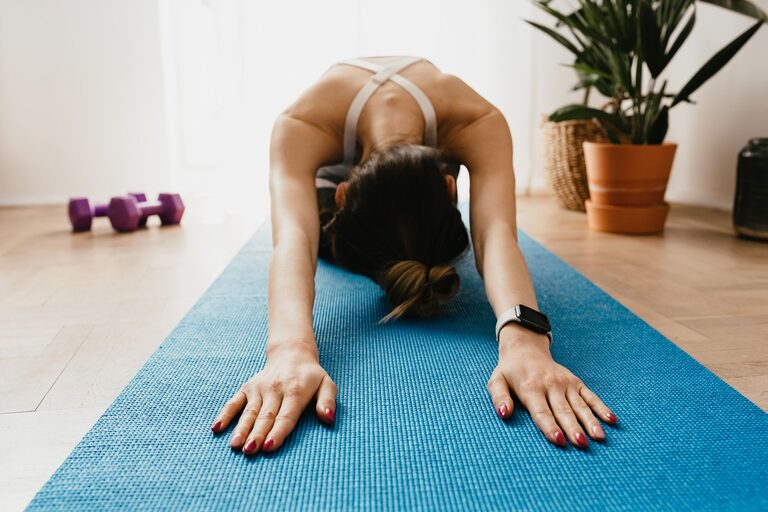
Stretching is a simple yet powerful practice that can enhance your overall health and well-being. Whether you’re aiming to improve flexibility, relieve muscle tension, or just move more comfortably throughout the day, incorporating stretching into your daily routine can make a big difference. The best part? You don’t need a gym or fancy equipment to get started. This beginner’s guide will walk you through everything you need to know about stretching at home safely and effectively.
Why Stretching Matters
Stretching helps lengthen your muscles and improve your range of motion. This can lead to several benefits, including:
– Reduced risk of injuries
– Improved posture and balance
– Decreased muscle stiffness and soreness
– Enhanced circulation
– Better relaxation and stress relief
For beginners, regular stretching can lay a foundation for more advanced workouts and activities while promoting a sense of calm and body awareness.
Types of Stretching
Before jumping into stretches, it’s important to know the two main types of stretching:
1. Static Stretching
Static stretches involve holding a position for a certain period—usually between 15 to 60 seconds—to gently lengthen the muscle. This type is great after workouts or during a dedicated flexibility session.
2. Dynamic Stretching
Dynamic stretches involve moving parts of your body through a full range of motion in a controlled way. Examples include leg swings or arm circles. This type is excellent as part of a warm-up to prepare your body for physical activity.
For beginners at home, start with static stretches to build comfort and confidence, then incorporate gentle dynamic movements as you progress.
Preparing to Stretch at Home
You don’t need much to get started. Here are some simple tips:
– Choose a comfortable space: Use a yoga mat or carpeted floor.
– Wear comfortable clothing: Loose or stretchy clothes will help.
– Warm up briefly: A few minutes of light walking or marching in place can warm your muscles and reduce the risk of injury.
Beginner-Friendly Stretching Routine
Here’s a gentle routine you can try at home. Hold each static stretch for about 20-30 seconds, repeating 2-3 times if comfortable.
Neck Stretch
– Sit or stand tall.
– Slowly tilt your head toward your right shoulder until you feel a stretch on the left side of your neck.
– Hold, then repeat on the other side.
Shoulder Stretch
– Bring your right arm across your chest.
– Use your left hand to gently pull your right arm closer.
– Hold, then switch sides.
Chest Opener
– Clasp your hands behind your back.
– Straighten your arms and lift your chest slightly.
– Feel the stretch across your chest and shoulders.
Cat-Cow Stretch (Dynamic)
– Get on your hands and knees.
– Arch your back toward the ceiling (cat pose), then dip it toward the floor (cow pose).
– Repeat slowly 5-10 times.
Seated Forward Bend
– Sit with legs extended straight in front of you.
– Slowly bend forward from your hips, reaching for your toes.
– Keep your back as straight as possible.
Hamstring Stretch
– Lie on your back and lift one leg up.
– Hold behind your thigh or calf and gently pull your leg toward you.
– Switch legs.
Quadriceps Stretch
– Standing, hold onto a wall for balance if needed.
– Bend your right knee and grab your ankle behind you.
– Gently pull your foot toward your buttocks.
– Repeat on the other side.
Calf Stretch
– Stand facing a wall, place your hands on it.
– Step one foot back, keeping it straight and heel on the ground.
– Lean into the wall to stretch your calf.
– Switch legs.
Tips for Effective Stretching
– Breathe deeply: Inhale and exhale slowly to help your muscles relax.
– Avoid bouncing: Stretch gently without jerky movements to prevent injury.
– Listen to your body: Stretch to the point of mild tension, not pain.
– Stay consistent: Aim to stretch at least 3-4 times per week.
– Hydrate: Drink water before and after stretching.
Additional Resources
If you want to explore more, many free videos and apps offer guided stretching routines tailored for beginners. Yoga classes at home can also complement your stretching practice with mindfulness and balance.
When to Avoid Stretching
If you have an injury, recent surgery, or chronic pain, consult a healthcare professional before starting any stretching routine.
Conclusion
Stretching at home is an accessible way to enhance your mobility, reduce stiffness, and feel better day-to-day. By following a simple routine and listening to your body, you can develop a healthy habit that supports your overall fitness journey. Remember, the key is gentle, consistent practice—your body will thank you!
Happy stretching!